Key Takeaways:
- Matt Dixon's 3:14 talk on customer effort is the most useful video here because it is grounded in five years of CEB research.
- Of these 23 videos, 19 predate ChatGPT's November 2022 launch, and none show a rep editing an AI draft.
- Inspirational customer service videos are worth watching for morale, but the famous hospitality stories rest on one-time gestures a team can't repeat.
- Pair every funny clip with one question about your own queue, or skip it.
- Teams watch and discuss clips under four minutes; they schedule a 45-minute training film once.
What is the best customer service video to show a support team? Matt Dixon's customer effort talk (3:14), drawn from research covering more than 75,000 people (Harvard Business Review, 2010). The famous hospitality stories each describe a single memorable gesture.
If the team watches one video this quarter, make it that one. The six after the table cover situations that repeat, with customers you will serve again next quarter.
All 23 Customer Service Videos at a Glance
| Video | Runtime | Use it for |
|---|---|---|
| Matt Dixon on customer effort | 3:14 | Measuring effort on each ticket |
| Shep Hyken on AI in customer service | 3:42 | Deciding which conversations AI handles |
| Brené Brown on empathy | 2:53 | Replacing stock apologies |
| Cloud English on frustrated customers | 13:33 | Calming phrases for reps working in English as a second language |
| Celeste Headlee on better conversations | 11:45 | Hearing the customer out before replying |
| Canity, Never Argue | 1:36 | Acknowledging before correcting |
| HubSpot on support skills | 1:32 | A new hire's first week |
| engVid on the L.A.S.T. method | 10:13 | A four-step routine for complaints |
| Indeed on customer service skills | 7:58 | A first support hire |
| Derek Callan on professional phrases | 8:17 | Phone English for second-language reps |
| John Boccuzzi Jr at TEDxBryantU | 8:21 | Budget conversations about service |
| Simon Sinek on great service | 1:50 | Opening a session |
| Blake Morgan on customer experience | 31:03 | A planning session |
| Mark Sanborn on the customer's experience | 5:49 | A team with low morale |
| Jan Gunnarsson on hostmanship | 8:50 | Treating welcome as a discipline |
| Salena Scardina on human connection | 17:51 | The human side of automated service |
| Jon Picoult on service recovery | 8:59 | Rebuilding trust after a mistake |
| Dennis Snow on magical experiences | 5:30 | Service lessons from a 20-year Disney veteran |
| Awkward Puppets, Customer Service | 2:39 | Spotting stock replies that sound awkward |
| Little Britain, "Computer says no" | 1:38 | Finding dead ends in your product |
| Kim's Convenience, the king of customer service | 1:14 | Handling a customer who interrupts |
| Meet the Parents, the airline gate scene | No official upload | Questioning rigid policies |
| Love Actually, the gift-wrapping scene | 3:21 | Cutting steps nobody asked for |
The Six Videos to Show Your Support Team First
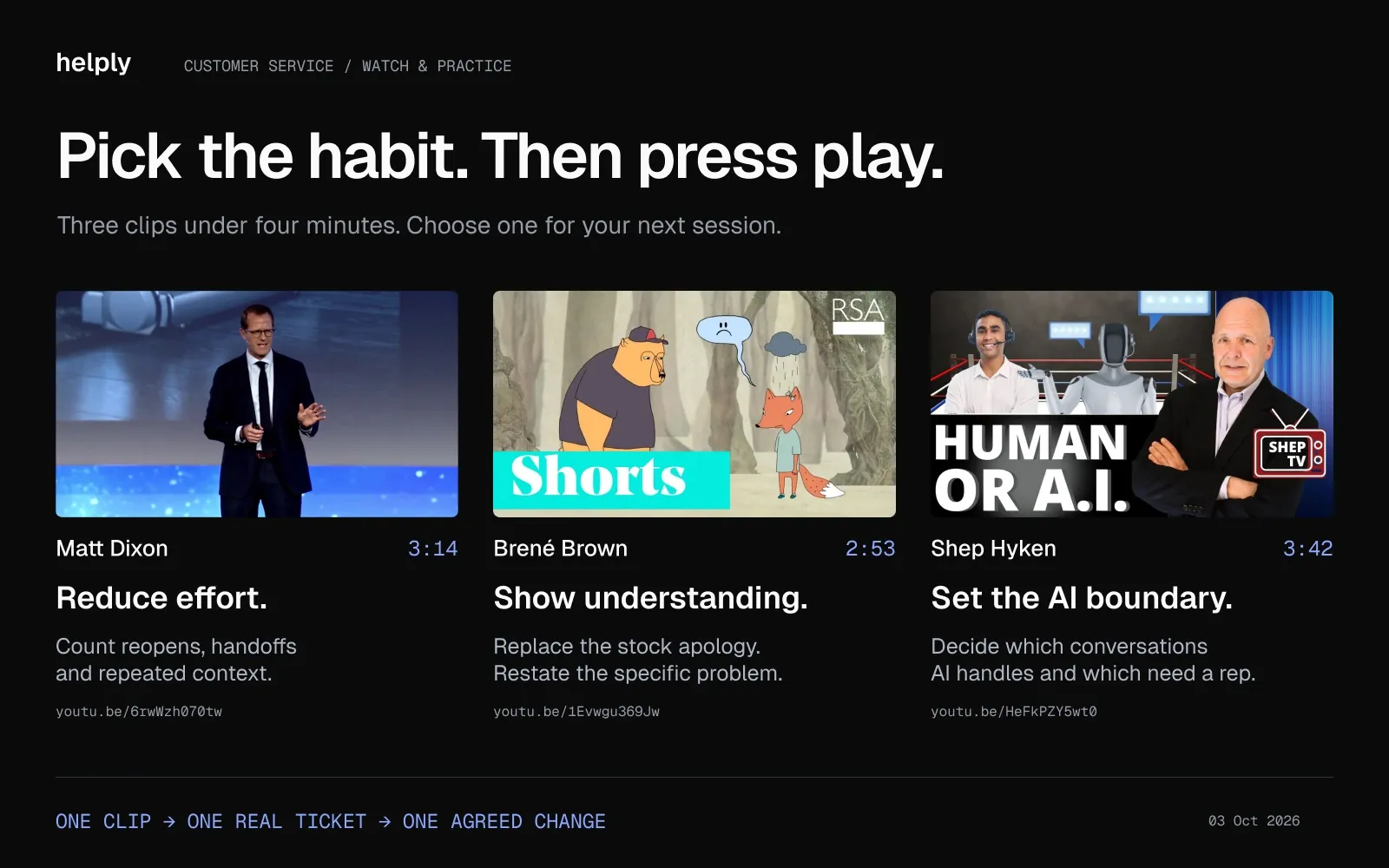
Matt Dixon: The Effortless Customer Experience (3:14)
Dixon co-authored The Effortless Experience with Nick Toman and Rick DeLisi.
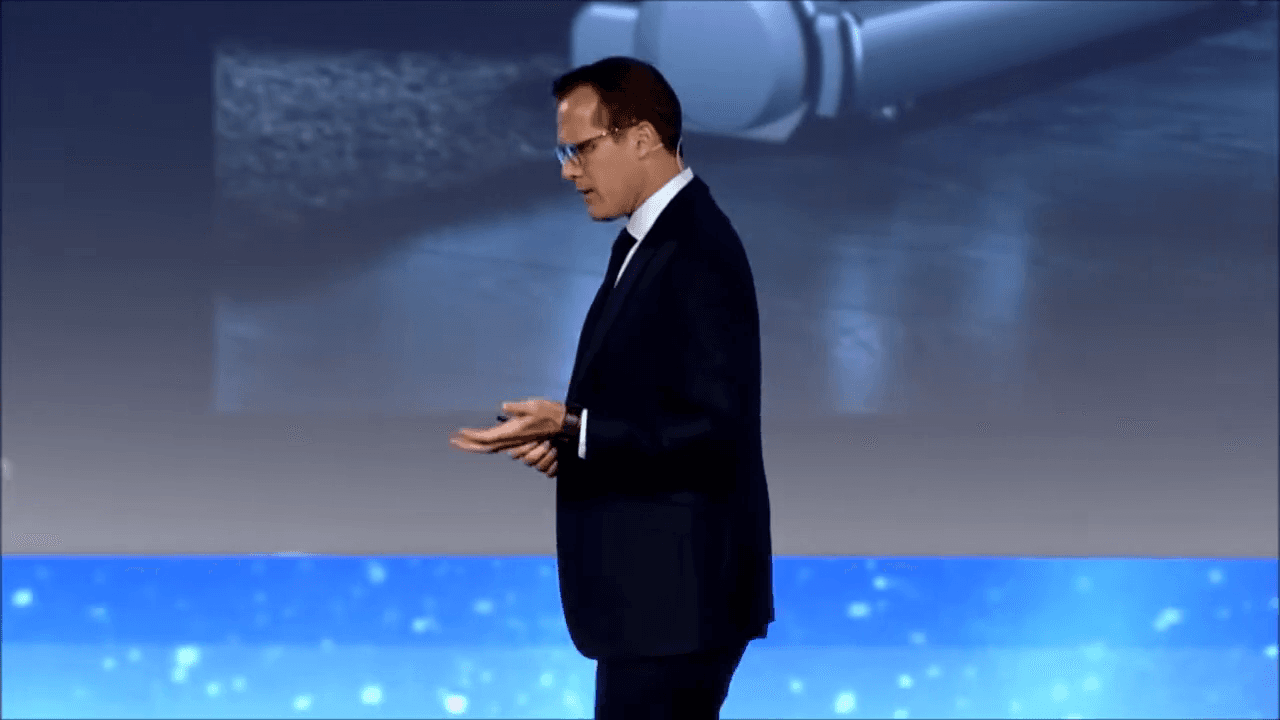
The work draws on five years of CEB research with tens of thousands of respondents. Its central finding: reducing customer effort predicts loyalty better than exceeding expectations does.
In the Harvard Business Review article that preceded the book, Dixon's team surveyed more than 75,000 people. They found a Customer Effort Score predicted loyalty better than satisfaction scores or Net Promoter Score.
The finding fits any queue with returning customers. A customer who explains the same problem twice is spending the effort Dixon measured.
At 3:14 it fits a standup with time left over for one question.
Steal this: score each ticket by the effort it cost the customer. Count reopens, handoffs and repeated context.
Shep Hyken: When AI Works Better Than Humans in Customer Service (3:42)
Hyken has worked with organizations on customer service and loyalty for more than 40 years.
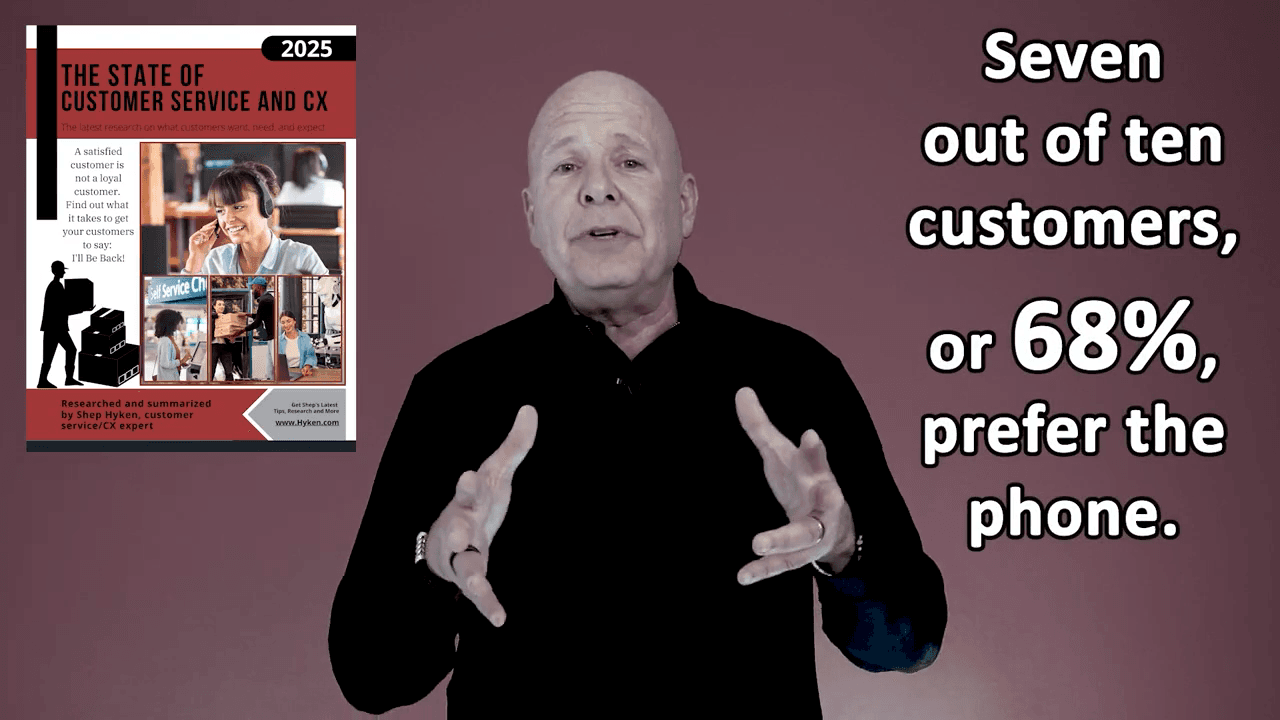
This clip went up in July 2025, one of the few recent entries here. No other video on the list covers where AI belongs in the support workflow.
Hyken splits the work: some conversations suit AI and some suit your rep.
Steal this: decide in advance which conversations AI handles and which go to your rep. In Helply, you write that boundary into Guidelines. If the Support Agent can't resolve a conversation, it hands your rep the investigation it has prepared.
Brené Brown on Empathy (2:53)
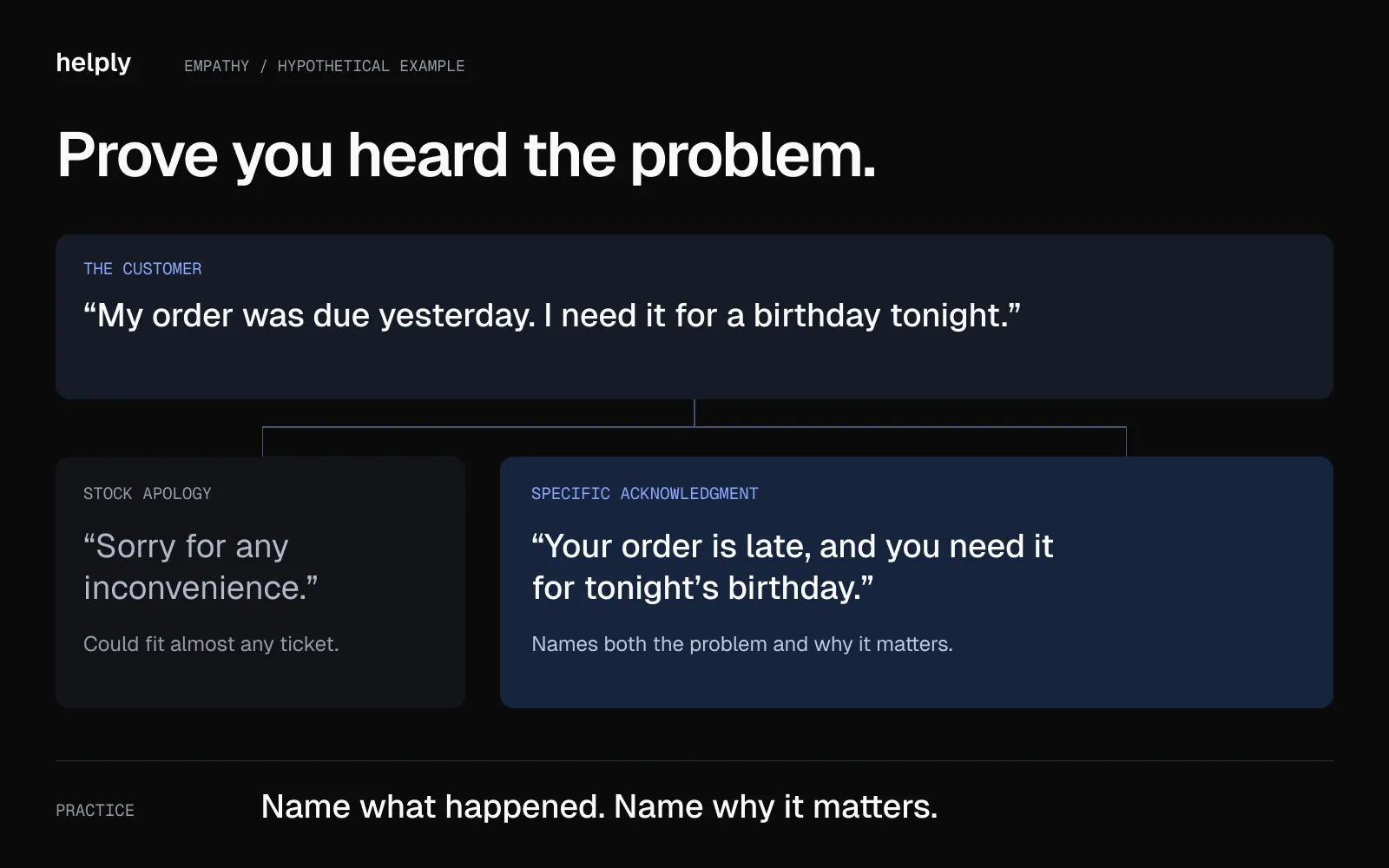
An RSA animation with more than 24 million views. It explains why a reply that starts with "at least" makes people feel unheard.
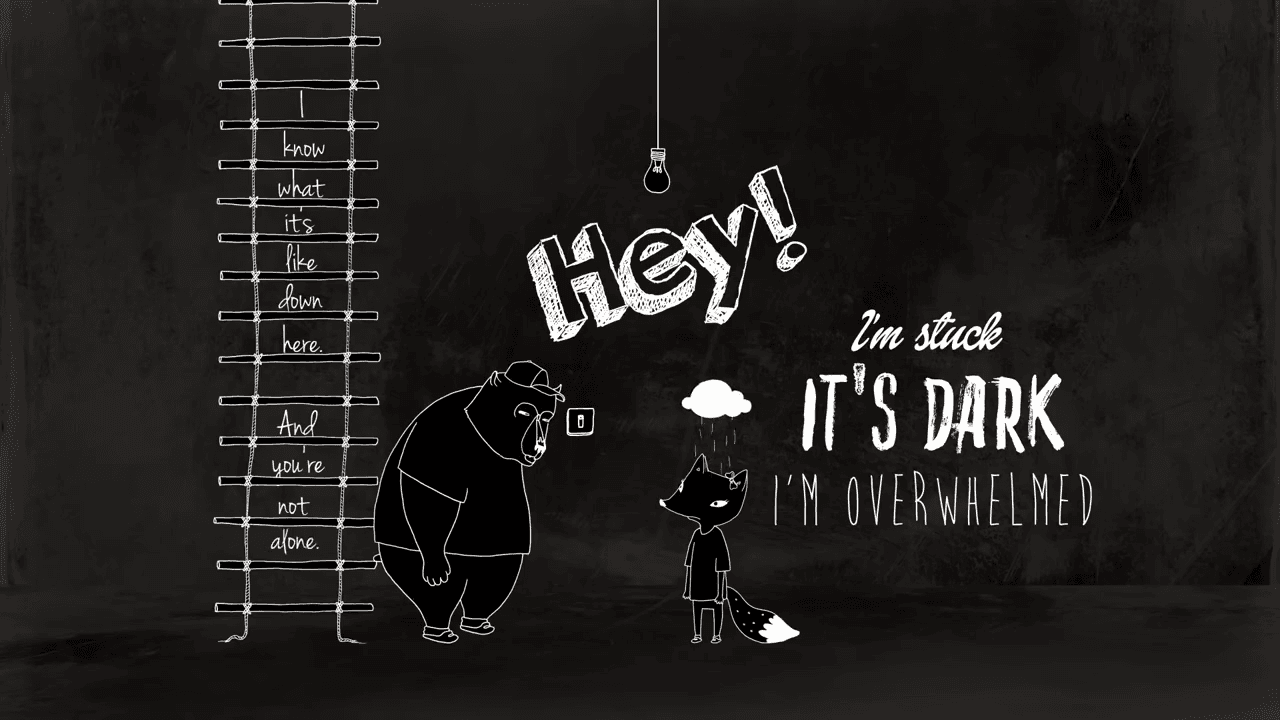
Brown's distinction is between empathy, which connects, and sympathy, which distances. Under pressure, support teams reach for sympathy because "sorry for the frustration" takes three seconds.
Empathy takes one more sentence, one that proves the rep understood what broke.
Steal this: ban "sorry for any inconvenience." Replace it with one sentence restating the customer's specific problem.
Cloud English: Calming Frustrated Customers (13:33)
An English lesson with 16 expressions for calming a frustrated customer.
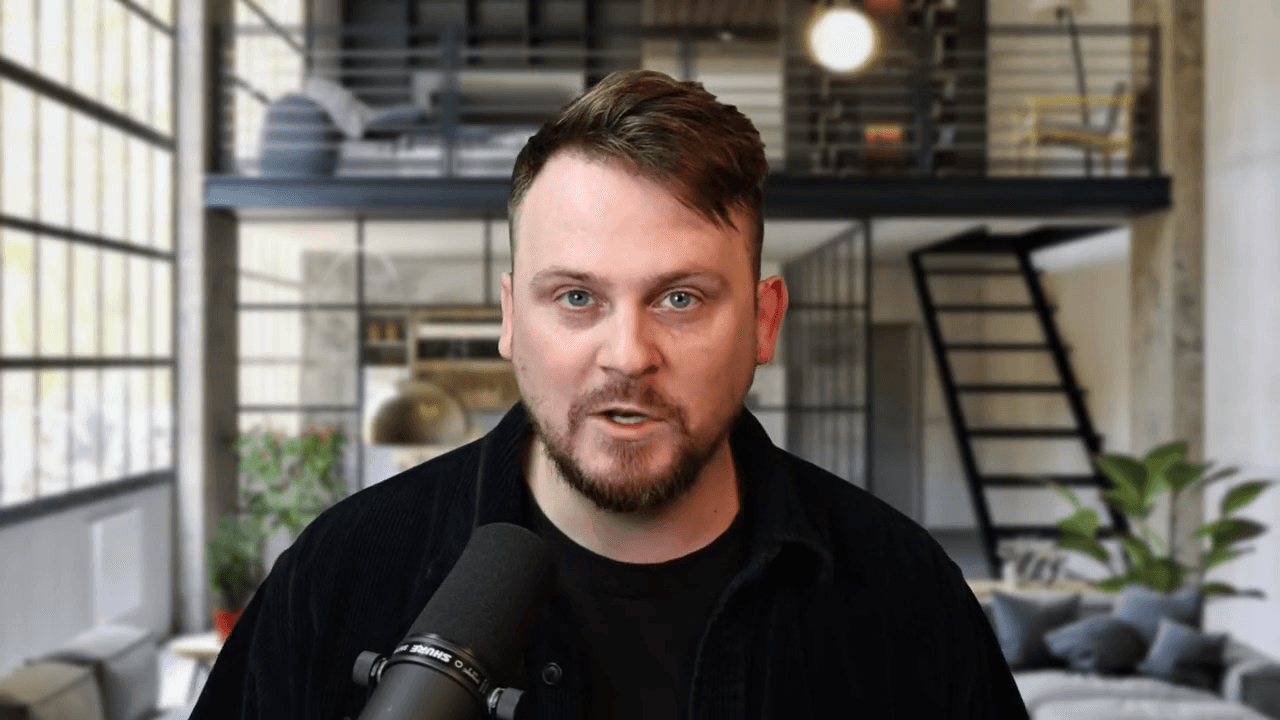
It suits reps who handle support in English as a second language.
At 13:33 it is too long for one session. Split it across four sessions, with four expressions in each.
Steal this: the phrase bank. Have the team write their three most-used holding sentences, then compare them against the video's.
Celeste Headlee: 10 Ways to Have a Better Conversation (11:45)
Headlee's talk has more than 16 million views on TED's YouTube channel. Her subject is everyday conversation, and your reps can use her listening advice on support tickets.
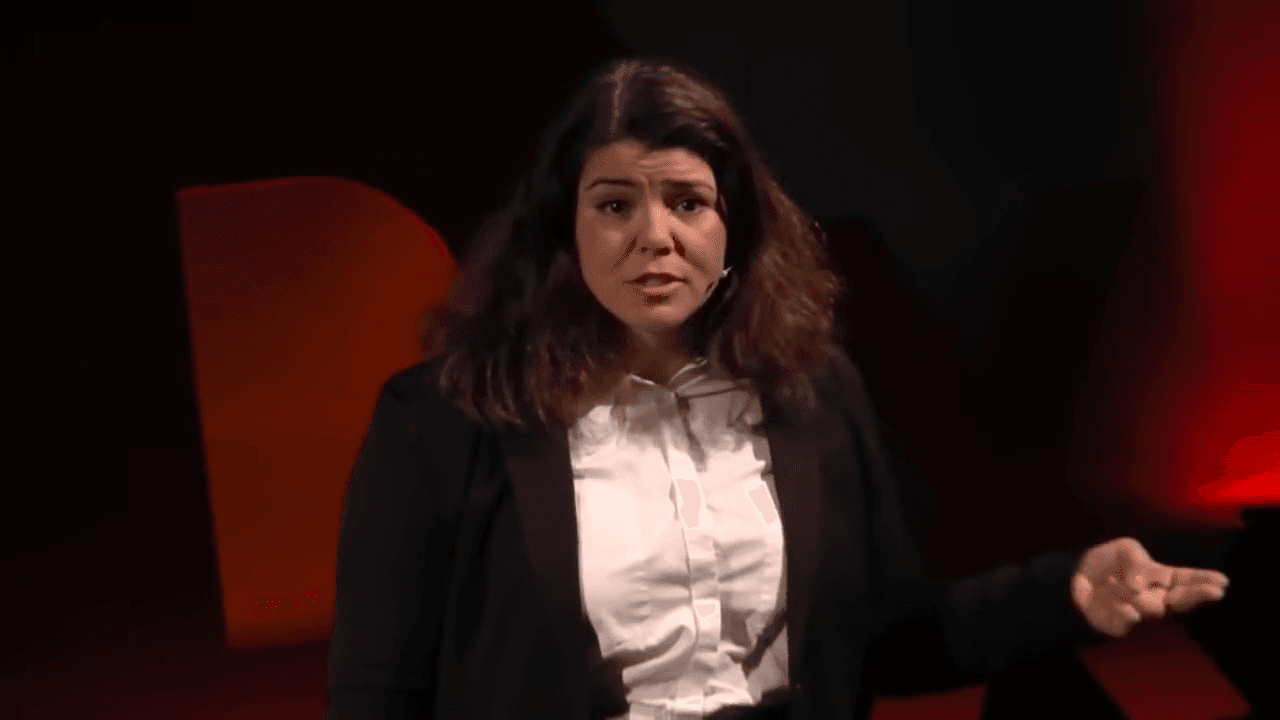
Her sharpest point is that most people wait for their turn to talk. A rep who has decided what a ticket is about misses the sentence that explains it.
Steal this: hold the reply until the customer has finished explaining the problem.
Canity: Never Argue (1:36)
At ninety-six seconds, it fits the gap before standup.

The mechanism is a pause before the correction. If a customer has a fact wrong, your rep loses more goodwill correcting it on the spot than thirty seconds later.
Steal this: the pause, and the habit of correcting after acknowledging rather than before.
To use most of these habits, your rep has to remember each customer's history. Helply's Assist Agent searches that history, your knowledge base and connected tools for your rep. It drafts replies from the conversation and your Guidelines.
Best Customer Service Training Videos for Building Skills
Every video in this section is free on YouTube. These skills-focused clips teach phrasing and structure.
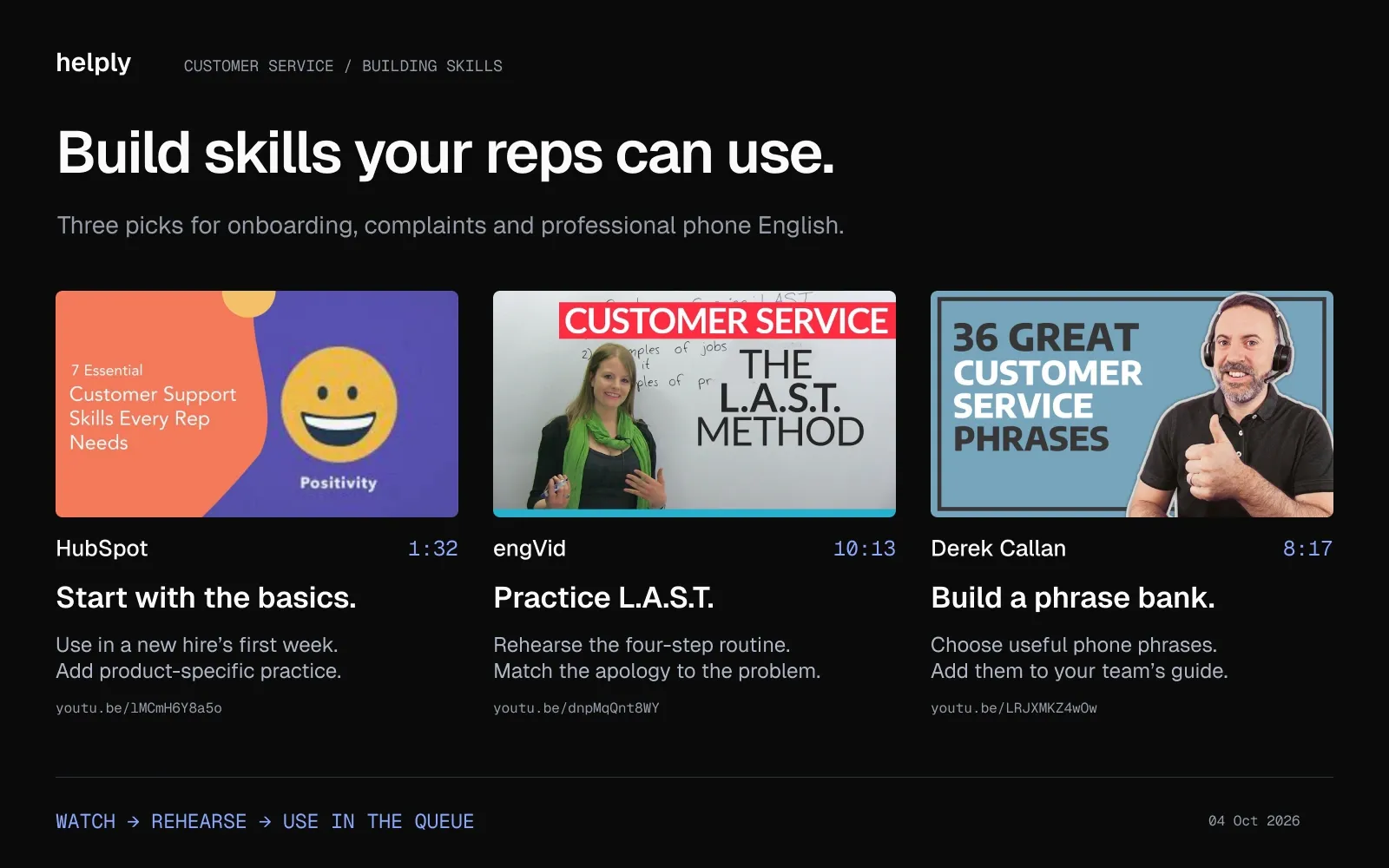
HubSpot: 7 Essential Customer Support Skills Every Rep Needs (1:32)
A short onboarding video covering seven fundamentals. It works best in week one, before a new hire touches a live queue.
If your customers read your docs before writing in, add product depth on top of it.
engVid: How to Give Great Customer Service, the L.A.S.T. Method (10:13)
A named, four-step technique for handling complaints. Teams can practice it, and managers can spot it in a transcript.
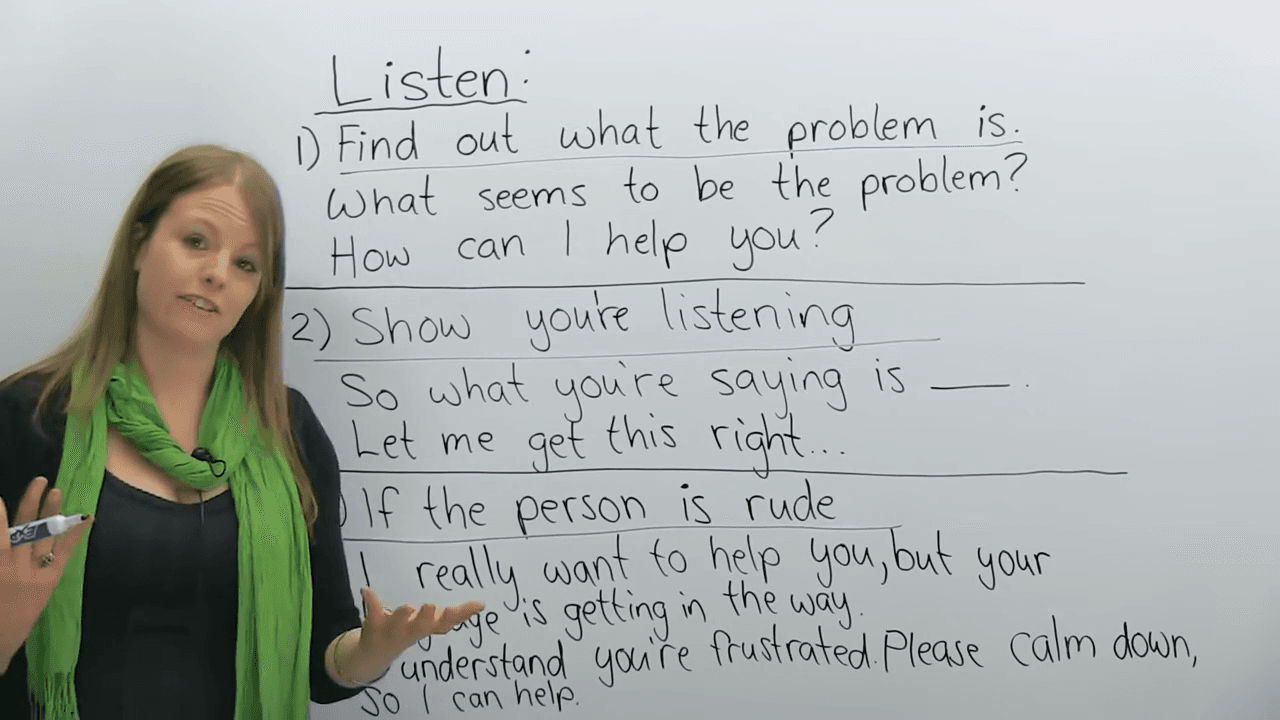
The caveat is the apology step. Over-apologizing to a customer who wants a root cause reads as evasion. To match an apology to how serious the problem is, see our customer apology letter templates.
Indeed: 6 Tips for Improving Your Customer Service Skills (7:58)
Indeed's video gives six lessons on customer service basics, such as active listening and empathy.
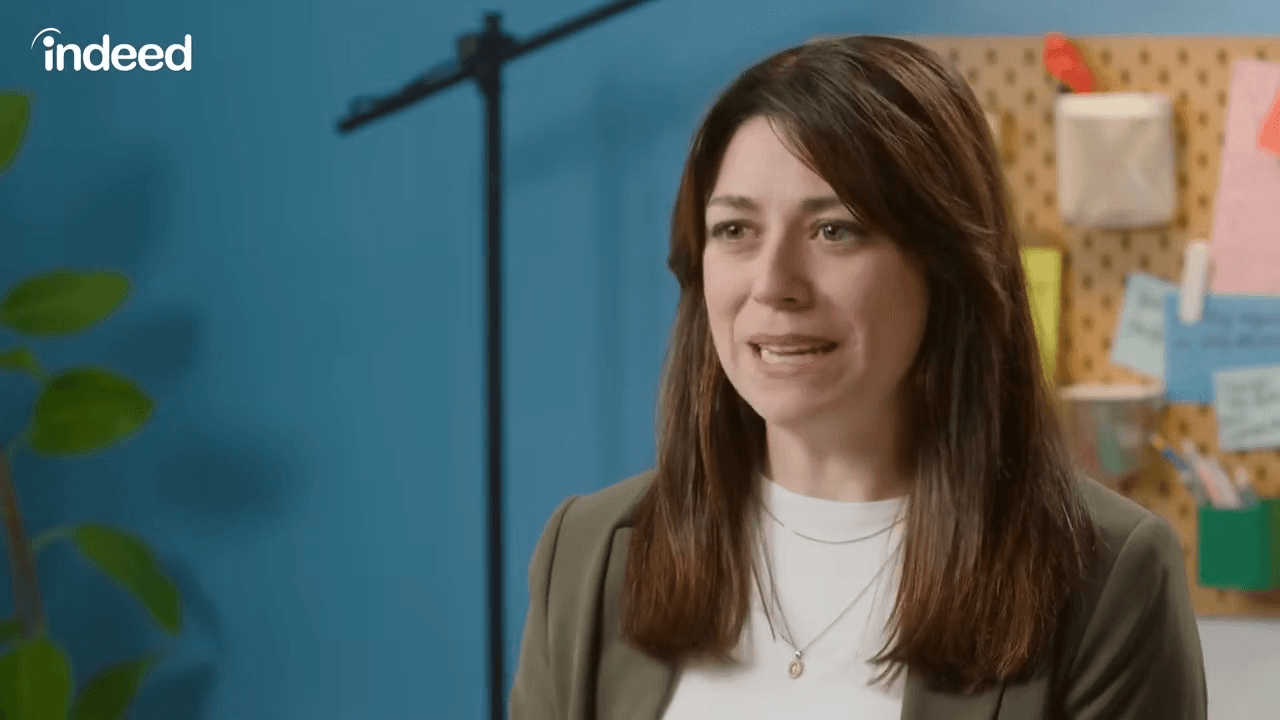
It suits a first support hire more than a team two years into running a queue.
Derek Callan: 36 English Phrases for Professional Customer Service (8:17)
Phone phrases for teams that speak to customers in English as a second language. Your team can copy the 36 phrases into a shared style guide.
For the written side, pair it with our customer service email templates.
Inspiring Customer Service Videos and the Case Studies Everyone Cites
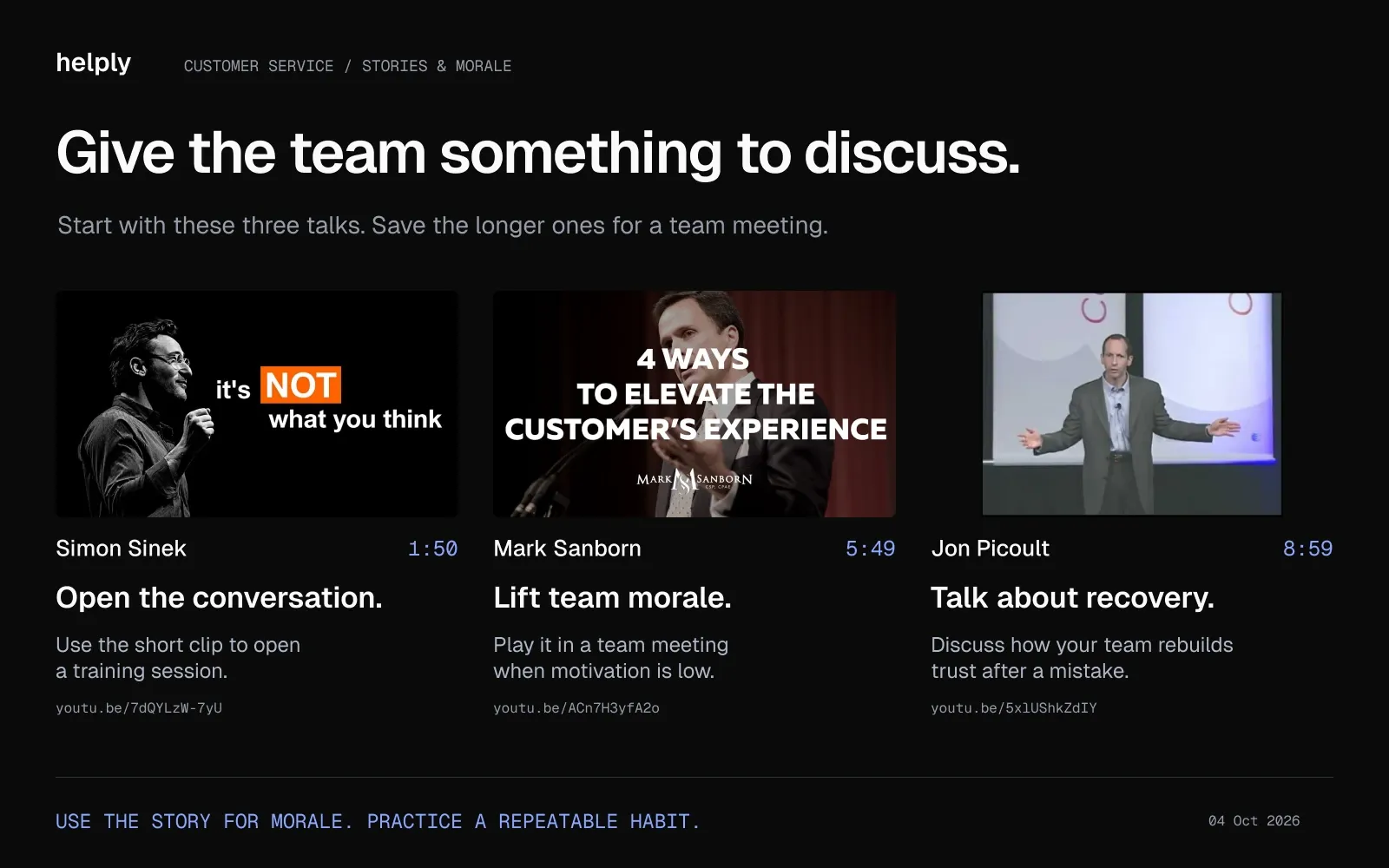
For inspirational customer service videos, start with Sinek's 1:50 clip, Mark Sanborn's 5:49 talk or Jon Picoult's 8:59 recovery story. Play Sinek's clip to open a training session, and save the longer two for a team meeting.
Are famous customer service stories like Ritz-Carlton's useful for a support team? Partly. They help morale and give a team a shared vocabulary, but each story turns on a one-time gesture.
Forbes reported in 2013 that each Ritz-Carlton employee had up to $2,000 per guest to fix a problem. A Southwest employee drove a lost suitcase to a customer the night before her chemotherapy.
Trader Joe's takes back its own-label products if you don't like them. The stories people retell about all three center on one customer at one moment.
In a support queue, customers return with the same problems, such as a billing error or a late order. The useful habit is one every rep can repeat.
The eight talks below are worth their runtime as motivational viewing:
- John Boccuzzi Jr, I Was Seduced by Exceptional Customer Service (8:21). A TEDxBryantU talk with more than 800,000 views. It argues that service can be the greatest form of marketing, a useful thesis for budget conversations.
- Simon Sinek, The Secret to GREAT Customer Service (1:50). A short clip filmed at Expedia's EXPLORE event. At under two minutes, it makes a good session opener.
- Blake Morgan, The Future Belongs to Companies That Create Incredible Customer Experiences (31:03). Strategy-level framing on where customer experience is heading. At 31 minutes, it suits a planning session better than a training slot.
- Mark Sanborn, 4 Ways to Elevate the Customer's Experience (5:49). A motivational talk. Play it in a week when your team's morale is low.
- Jan Gunnarsson, Hostmanship: The Art of Making People Feel Welcome (8:50). A TEDxMaastricht talk that treats welcome as a discipline with its own practices.
- Salena Scardina, A Defining Time for Human Connection in Customer Service (17:51). A TEDxFortWayne talk arguing for human connection as service becomes automated. A useful counterweight to the AI conversation.
- Jon Picoult, The Best Service Recovery Story... Ever! (8:59). Use it to discuss how a team rebuilds trust after a mistake.
- Dennis Snow, Creating Magical Customer Experiences (5:30). Snow spent 20 years with the Walt Disney World organization before speaking on service design.
Beyond Sinek's opener, use these talks for morale, and build the training itself from the skills videos above.
Funny Customer Service Videos Worth Playing in a Session
Pair each clip with a specific question about your team's own queue. With a question attached, people raise problems they would hold back in a retrospective.
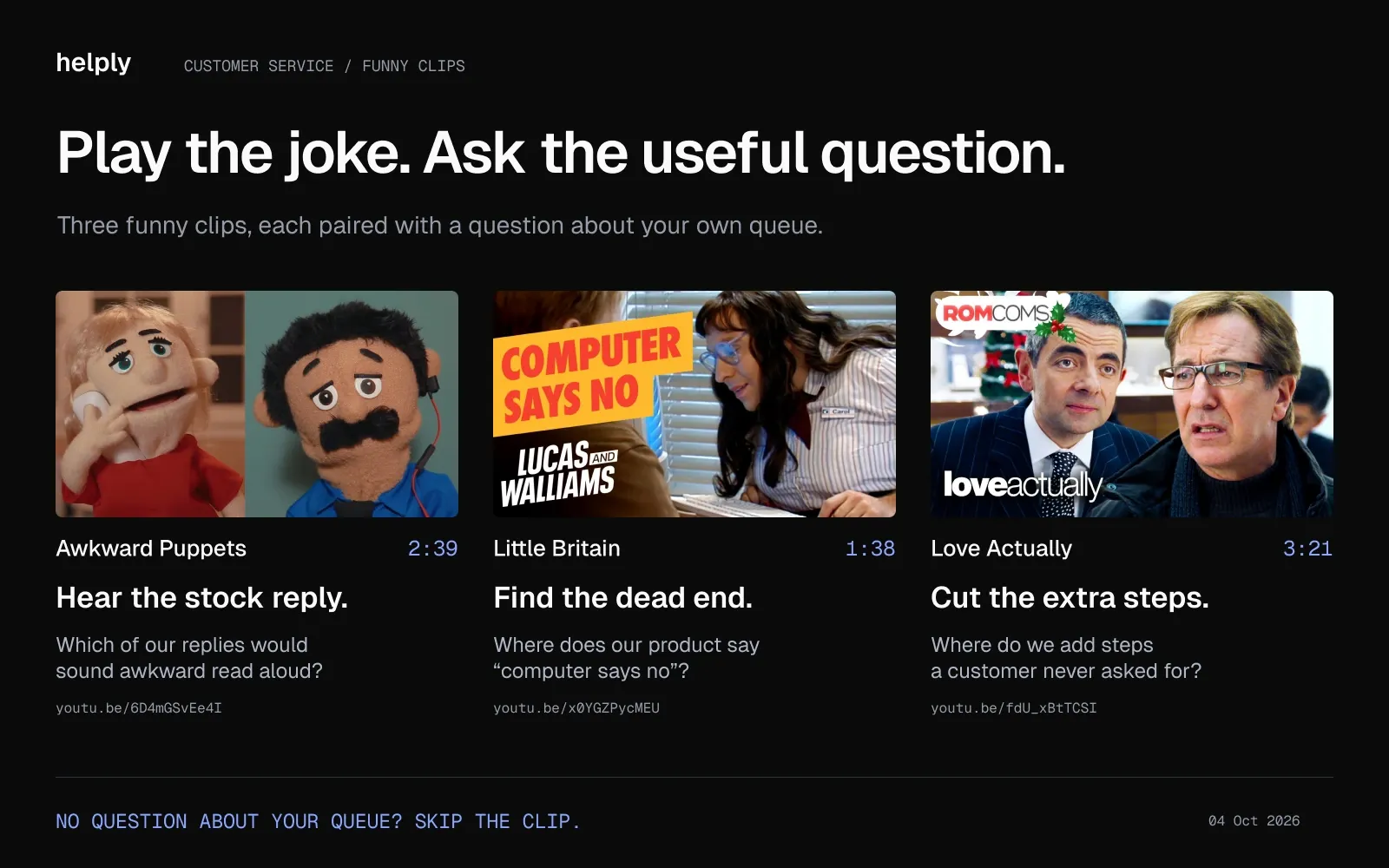
- Awkward Puppets, Customer Service (2:39). A puppet sketch about a support call, with more than five million views. Question: which of our standard replies would sound this awkward read aloud?
- Little Britain, "Computer says no" (1:38). Question: where in our product is the answer "computer says no"?
- Kim's Convenience, The king of customer service (1:14). A CBC scene about redirecting an interrupting customer toward a sale. Question: where do our reps lose the thread when a customer interrupts?
- Meet the Parents, the airline gate scene. A gate agent follows policy with no one else in line. Question: which policies do we enforce because they are right, and which because someone wrote them down?
- Love Actually, the gift-wrapping scene (3:21). Service theater at the gift counter. Question: where do our replies add steps a customer in a hurry never asked for?
That "computer says no" question is the useful one, because many recurring dead ends are feature requests in disguise.
Helply's Feature Request Agent groups requests for the same change, whatever words customers use, and links each one to the customers asking.
How to Run a 20-Minute Customer Service Training Session
How do you run a customer service training session with a video? Keep it to 20 minutes: one video under four minutes, one question, one real ticket and one written change. The team spends 16 of the 20 minutes on its own queue.
- Minutes 0 to 4. Play one video under four minutes.
- Minutes 4 to 10. Ask a single question: where does this happen in our queue?
- Minutes 10 to 17. Pull one real ticket from last week and rerun it using the video's mechanism.
- Minutes 17 to 20. Agree one change, write it down and give it an owner.
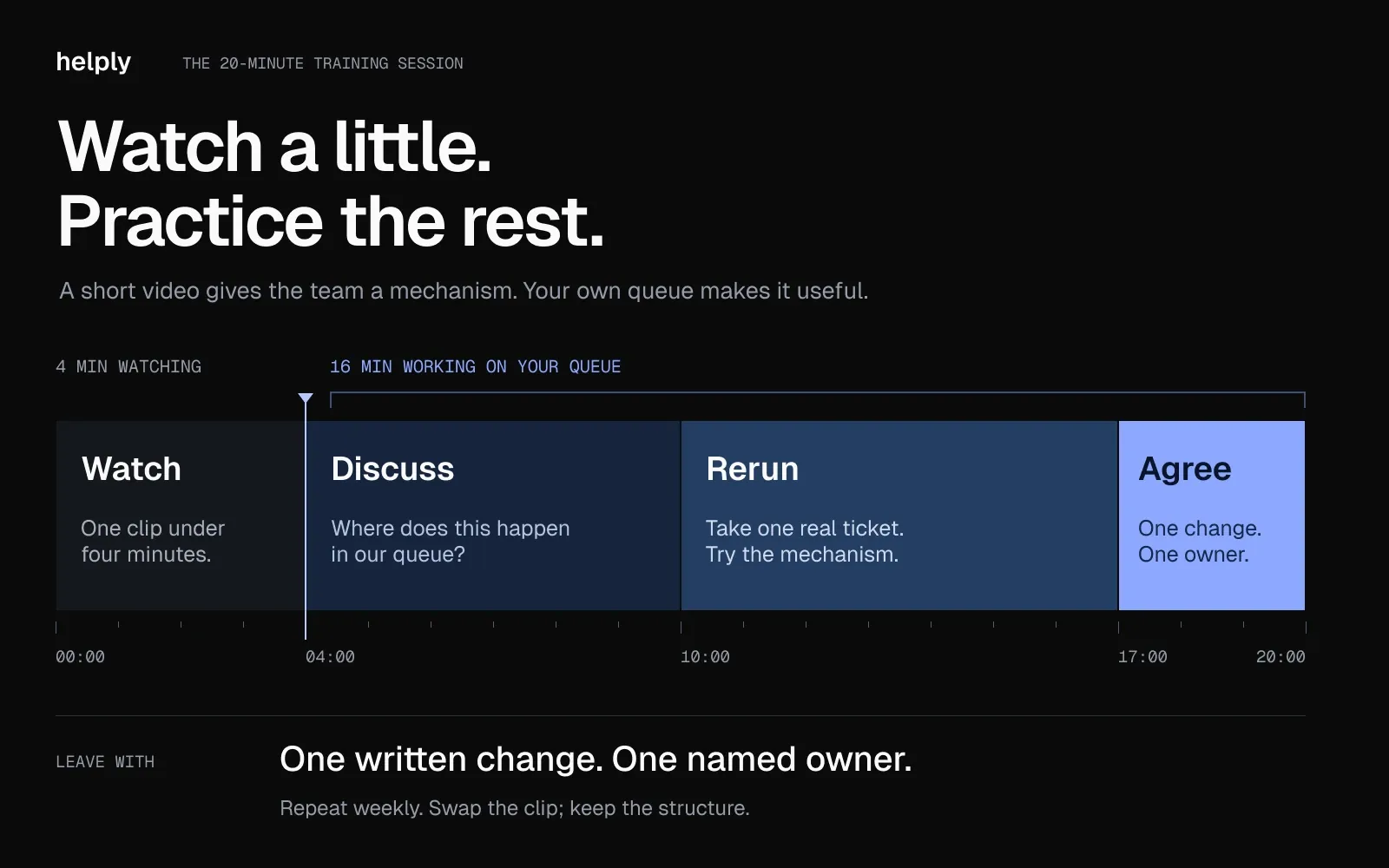
You sink a session if you play a 45-minute film, skip the question, leave the change unowned or run it as compliance.
In Helply, the change's owner adds it to Guidelines, which the AI agents follow on every conversation.
The Highest-Return Video Is One You Record Yourself
A recording of your own team's work teaches more than any published video. An anonymized support call gives your coaches more to work with than a TED talk.
A generic clip teaches a principle, while your own transcript shows the moment your rep missed the problem behind the question.
Pair one external video with one recording from your own team's queue. Rotate the external clip each week and keep the structure fixed.
What None of These Customer Service Videos Cover
Three situations recur in a busy support queue: a firm no, an expert customer and an AI-drafted reply. None of the 23 videos above covers them in depth.
When the Answer Is No and Will Stay No
The usual advice is to keep searching for a solution. If the answer is a firm no, a rep who keeps searching is putting on a show.
The customer will be back, so false hope costs more than a clear answer. Four steps work better:
- Name the constraint. Say what is not possible and why, in one sentence.
- Give a timeline. "Not this quarter" tells the customer more than "not currently" does.
- Offer the workaround. Include one if you have it, imperfect or not; the customer's problem hasn't gone away.
- Log it as a feature request. Product then sees how many customers need it.
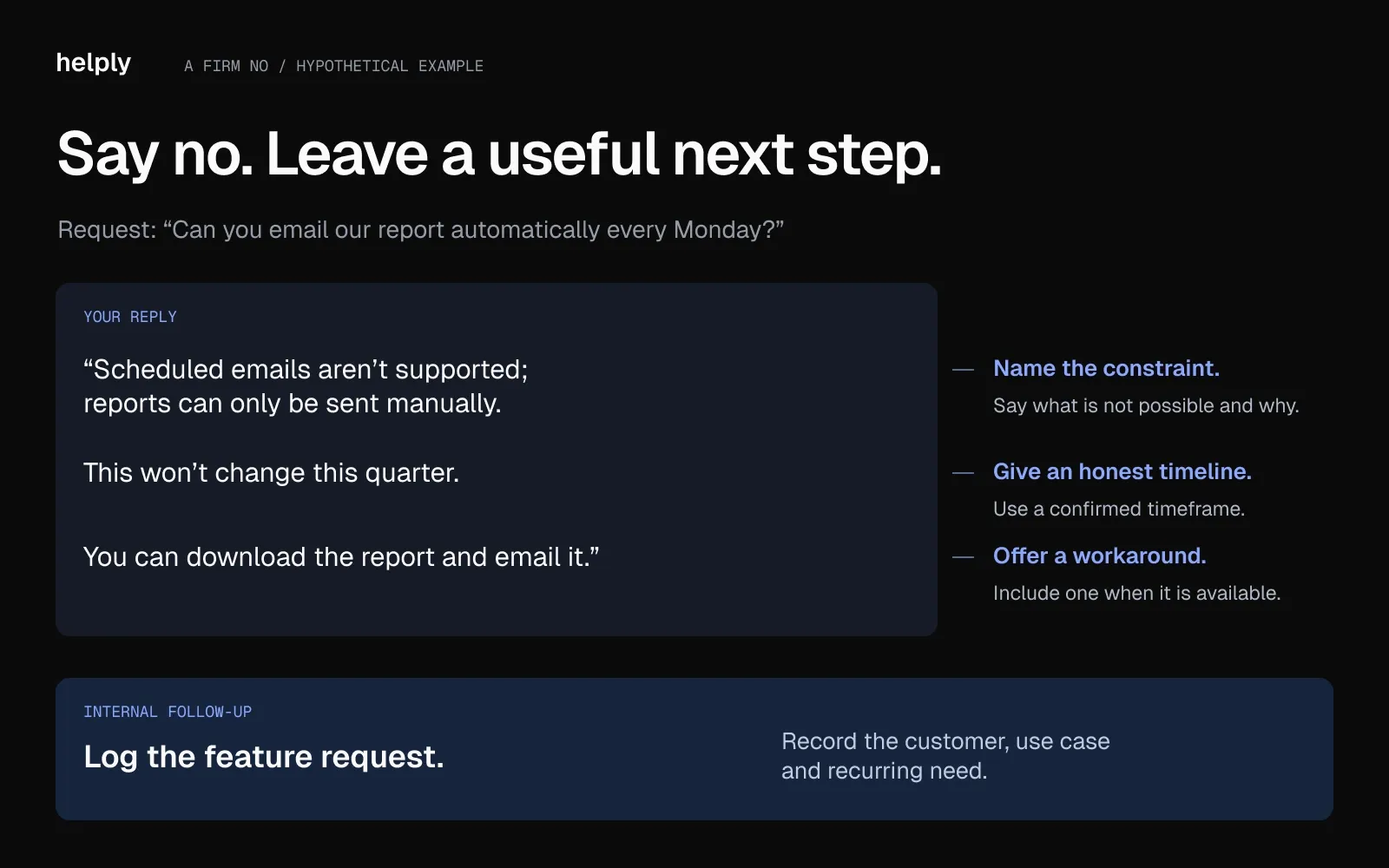
Your rep keeps the customer's trust with an honest no and a timeline. A rep who offers a hopeful maybe loses that trust over the following weeks.
When the Customer Knows the Product Better Than Your Rep
In the scenarios these 23 videos show, the employee holds the information advantage.
In technical products, your customer may know more than your rep. A staff engineer who has read the docs, checked the changelog and reproduced the bug does not need reassurance.
Concede the knowledge gap up front. Then move to what support adds: internal systems, engineering escalation and account history. Our troubleshooting guide covers the escalation side.
When AI Drafted the Reply First
Of the 23 videos in this list, 19 went online before ChatGPT launched on November 30, 2022. The four later ones are Indeed (December 2022), Cloud English (February 2023), Simon Sinek (May 2025), and Shep Hyken (July 2025).
None of the 23 covers what your rep adds once a competent draft is in place. Shep Hyken's 2025 clip comes closest: it scopes the question and leaves the answer to your team.
Your rep adds judgment. They spot a confident draft that's wrong for this customer, or a tone that's off before a renewal or after a lost package. Helply's Assist Agent drafts replies for your rep to edit, and a draft your rep rejects costs no credits.
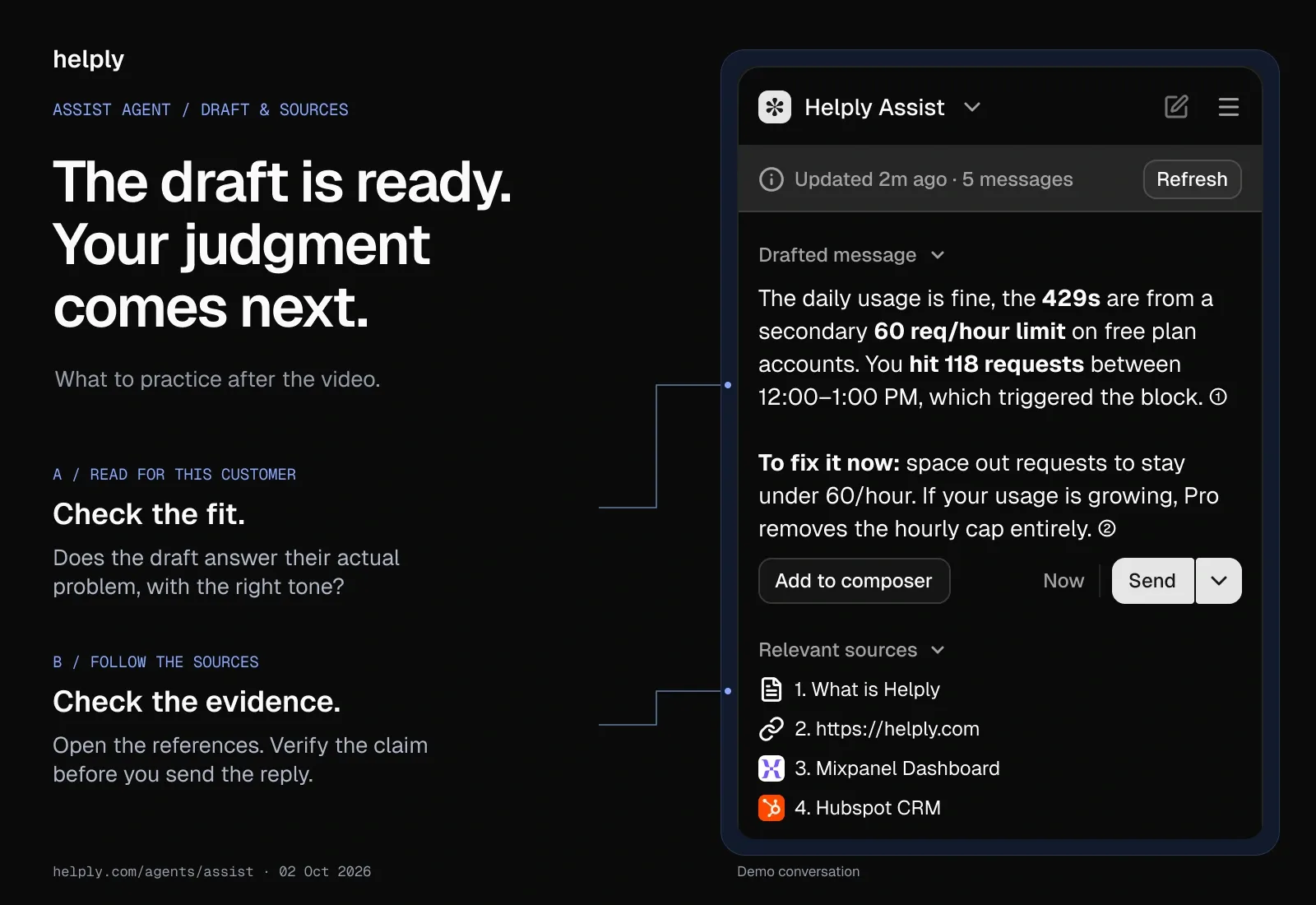
With Training, your team turns those corrections into better knowledge, Skills and Guidelines for the AI agents.
What Every Good Customer Service Video Teaches
Look past the hotel and airline stories to six mechanisms the good videos share:
- Reduce effort before adding delight. Your team can measure effort and repeat what lowers it.
- Recover faster than promised. Customers trust a team again after a fast, honest recovery.
- Name the constraint. A vague answer sounds like a dodge to a customer who wants a straight one.
- Listen to the end of the sentence. A customer may describe the problem behind the ticket after their first pause.
- Route the signal to the teammate who can act on it. A churn hint is worthless if it stays in the ticket.
- Make the fix outlive the ticket. If nobody writes the answer down, your team answers it again next week.
The fifth mechanism matters most with returning customers. Your team can read churn risk or an appetite for more in those customers' tickets.
Helply's Churn Agent and Revenue Agent monitor conversations for those signals and alert the right teammate. Every plan includes unlimited users, so a success manager or an engineer can join a conversation at no extra cost.
Conclusion
Each video worth showing teaches a mechanism you can measure and repeat. Dixon covers effort, Headlee listening, Brown empathy and Hyken where AI belongs.
Save the hospitality stories for a team meeting. The most valuable part of any session comes after the video, when the team reruns a real ticket.
Helply is an AI-native customer support platform. Teams that use it can handle more customer conversations without growing headcount at the same rate.
Frequently asked questions
Matt Dixon on customer effort (3:14), Brené Brown on empathy (2:53) and engVid's L.A.S.T. method (10:13) are three strong picks. HubSpot's 1:32 skills video suits a new hire's first week.
Use the six mechanisms the best videos share: reducing effort, fast recovery, naming constraints, listening, routing signals and writing fixes down. Pair a topic with a short clip where one fits, such as Dixon's 3:14 talk for reducing effort.
Yes. Every linked video in this list is free to watch on YouTube. Picks under three minutes include HubSpot (1:32), Canity (1:36) and Brené Brown (2:53).
Keep a team training video under four minutes, which leaves 16 minutes of a 20-minute session for discussion and a real ticket. For individual study, under 15 minutes fits talks like Celeste Headlee's (11:45).
Yes, when each clip comes with one question about your own queue. Pair Little Britain's "Computer says no" (1:38) with this one: where does our product say no?
Each Ritz-Carlton employee could spend up to $2,000 on a guest's problem, Forbes reported in 2013. In 2017, Fox News reported that a Southwest employee drove a cancer patient's lost suitcase to her home. Both suit a morale session more than a training plan.
Mark Sanborn's "4 Ways to Elevate the Customer's Experience" (5:49) suits a team with low morale. For a short opener, Simon Sinek's "The Secret to GREAT Customer Service" runs 1:50.
Acknowledge the customer before you correct them, the habit behind Canity's 1:36 "Never Argue" clip. Then restate their specific problem in one sentence. engVid's 10:13 L.A.S.T. lesson adds a routine: Listen, Apologize, Solve, Thank.
Name the constraint, give a timeline, offer a workaround and log the request, so product sees how many customers need it.
Matt Dixon's 3:14 talk on reducing customer effort. His team's 2010 Harvard Business Review article reported effort as a stronger loyalty predictor than satisfaction or Net Promoter Score.
Yes, for the fundamentals. Four of these 23 videos went up after ChatGPT launched in November 2022, and none shows a rep handling an AI draft.
About the author

Bildad Oyugi
Head of Content
Bildad is a digital marketing expert with over 5 years of experience in copywriting, content marketing, and editing. Outside of work, he enjoys videography and spending time with his family.


